Madison County Historical Society

 In  County History, you will be introduced to articles, stories, photographs and many items of genealogical and historical significance to Madison County, Indiana.  The main thrust of this material will be to entertain, amaze and peak your curiosity in the pursuit of history.  It is hoped that you will find here many, many interesting topics and will come back often.                                                                                      

This page last modified February 11, 2012.

The Lincolns came to Indiana to claim land with good title and move away from the slavery controversy in Kentucky.

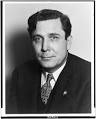
Thousands were drawn to Elwood to see the 1940 Republican presidential candidate.

Genealogical sources for Black History research.  Collections of speeches, pictures, videos, and letters.

Hidden by nature are some of the best preserved canal works found anywhere.

The Fall Creek Meeting House was one of the stations that aided many slaves on "their journey to freedom."

The only roads were dirt, but, by 1858, private roads were being built.

Named for a man-made island in White River, the mill lasted for 100 years.

In one of the first football games, Gifford had tackled Frank Pulse and also had punched him!  The brawl was on......

The Seybert family owned the graveyard and surrounding property until 1875.

Built in 1833, it was the first brick home in Union Township.

The train station was a welcoming sight. 

During "silent" films, it was an extra feature for girl singers to liven up the movie.

Examining records of family members who are orphans can be a rewarding experience.

 It was Good Friday, March 21, 1913.  The storm was a big weather system which had wreaked havoc through 20 states.

In 1924, one of the most single tragic accidents in Madison County occurred at Alfont, Indiana.


Captain Gooding, after fighting in the War of 1812, came to Indiana when it was just a frontier, wooded, and wild. 

The civil rights leader was assaulted during an appearance at Pendleton.

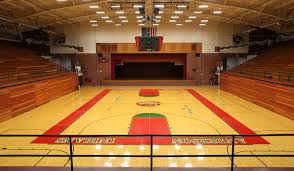
The 1961 gym was built during Anderson's boom years.

The storm arrived late afternoon and by night travelers could not move through the snow.

The Madison County 4-H Fair serves our county's annual gathering to celebrate the agricultural industry. 

In 1824, Abraham Adams built the first school in Adams Township.

The 34th Indiana Volunteer Infrantry proudly carried the nickname "Morton Rifles."

About 800 German POWs were shipped to Elwood to help harvest the tomato crop.

The GAR became a social and political force that would influence the nation for decades.

There are more than 100 Indian derived place names in Indiana.

John Rogers arrived at "The Falls" on December 29, 1818 as its first settler.

An amusement park was in the area of the Great Mound at the southern end of Mounds Park.

The Delaware named their village Wapeminskink.

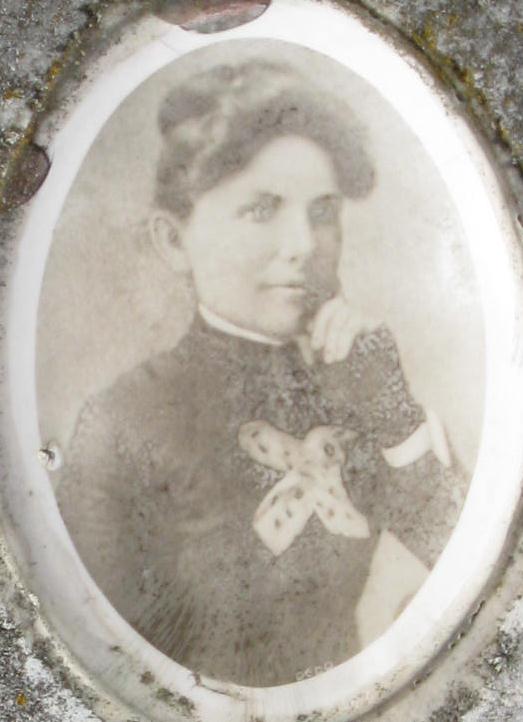
Humanitarian work has taken many forms but the efforts of one woman and hospital named for her exemplify the very highest service.

Water, liquor, and communism stirred this woman's passion and spurred her into politics.

A collection of military memorabilia, photos, and articles pertaining to participants from the county in the military.


The Photo Gallery is housed in its own room with seating so that visitors may spend as much time as they like viewing photos and reminiscing.

"Ho!  the car Emancipation, Moves majestic thro our Nation."............

Customers began pouring in, some from 100-150 miles away, to dance to music played by the big bands.

The footpath once used by native Americans and our ancestors was renamed West 8th Street.

The Society has acquired more than 4,500 records of children from the County Children's and Bronnenberg homes.

Schools were arranged in 3 orderly rows of 3 schools each 2 miles apart and numbered 1 through 9.

His father was the well-known Delaware Indian Chief, Gelelemend.

The idea was to create a flow of water that would be a source of power.

His father, John Anderson, operated a ferry on the Susquehanna River in Pennsylvania.

Overlooking the White River, as it carves its way west, is the West Maplewood Cemetery. Originally named the "City Cemetery" in the early 1860s, it became the new burial grounds for the city of Anderson.

Lyrics begins:  "Day is done.  Gone the sun."

This Public Square was part of Chief Anderson's Delaware Indian village.

 It was designed to carry goods from one area of the state to another.

 A crowd of 10,000 people converged on Anderson to witness a public execution.

 Sweetwater Creek ran through the prison camp as the only water source.


Make a Free Website with Yola.